Lead services for contractors: how to compare and choose the right one
Every contractor eventually asks the same question: should you buy leads from a marketplace, or build a pipeline you own? Both approaches can work. The right one depends on your trade, your ticket size, and how much you're willing to compete for the same homeowner as three or four other contractors.
This guide walks through the major lead services contractors use today, how their pricing actually works, what to check before you buy leads from any of them, and how to decide which approach (or combination) fits your business. Near the end, we cover how CyberFunnels' exclusive-lead model compares to the shared-lead platforms most contractors already know.
What "lead services for contractors" actually covers
Lead services for contractors fall into two broad categories. Marketplaces and directories sell access to homeowner demand, either as a shared lead sent to several contractors at once or, less commonly, as an exclusive contact sent to you alone. Owned channels, like SEO, Google Ads, and Local Service Ads, generate homeowner inquiries that come directly through your own website and phone number.
Most established contractors end up using some mix of both. Marketplaces can fill gaps fast. Owned channels get cheaper per lead the longer you run them, but they take longer to build.
Shared-lead marketplaces: Angi, HomeAdvisor, Thumbtack, and Porch
These are the highest-volume platforms in the space, and the ones most contractors try first.
Angi and HomeAdvisor operate under the same parent company, Angi Inc., and largely share the same lead pool even though the two brands still run separate consumer-facing sites. Both typically charge a per-lead fee, commonly reported in the $15 to $100-plus range depending on trade and market, often on top of an annual membership fee, and a single lead is commonly sent to several contractors at once rather than to you exclusively. Roofing, HVAC, and remodeling categories tend to sit at the higher end of that range, since the potential job value is higher. The FTC took action against HomeAdvisor in 2023 over how it marketed lead quality and conversion rates to contractors, a fact worth knowing when you're evaluating claims about lead performance from any shared-lead platform.
Thumbtack works on a similar shared-lead model, but with no annual membership. Contractors buy credits and pay when a homeowner contacts them, with per-lead costs that swing widely by trade, location, and how many other contractors are bidding for the same job. It has no built-in CRM or scheduling tools, so most contractors run it alongside separate job-management software. The lack of a long-term contract makes it easier to test than Angi or HomeAdvisor before committing real budget.
Porch leans toward smaller, high-frequency jobs (installation, repair, moving-related work) and offers new contractors guaranteed visibility when they join, which makes it a reasonable low-commitment entry point for contractors testing paid lead sources for the first time. It works especially well through retail partnerships that route move-related and appliance-installation jobs to contractors on the platform, though the leads it generates skew toward lower-ticket work than Angi, HomeAdvisor, or Thumbtack typically deliver.
Portfolio and design-driven platforms: Houzz Pro
Houzz Pro fits differently than the marketplaces above. It's closer to project-management software with a marketplace attached, built around portfolio imagery, client proposals, and design collaboration tools, priced on a subscription that now scales with a contractor's annual project volume rather than a flat monthly fee.
It fits design-build firms, remodelers, and interior designers whose sales process depends on showing homeowners finished work before they sign. It fits less well for trades where the sale happens fast and portfolio imagery isn't the deciding factor, like emergency repair work.
Commercial and subcontracting platforms: BuildZoom and project intelligence tools
For contractors working on larger remodels, new construction, or commercial projects, a different category of platform matters more: ones built around permit data and project intelligence rather than homeowner form fills.
BuildZoom matches contractors to projects using a large permit and contractor-verification database, which suits general contractors and remodelers working on bigger-budget jobs where credentials and project history carry real weight.
Commercial bidding platforms extend this idea further, surfacing planned commercial projects while they're still in the design or pre-bid phase, well before a general contractor would ever see them through a homeowner-facing marketplace. Sub-to-GC connection tools serve a related but different need: they help subcontractors get in front of general contractors who are actively staffing a project, rather than waiting for a GC to post a public bid. Neither category fits a residential-only contractor, but both matter for firms doing commercial or larger-scale construction work.
Specialty and targeted-matching platforms: Modernize and CraftJack
Some platforms specialize in a narrower set of trades instead of trying to serve every contractor at once.
Modernize focuses on higher-ticket exterior and mechanical categories: roofing, solar, HVAC, windows, and siding. It offers both shared and exclusive lead options, with exclusive leads priced well above shared ones.
CraftJack runs a straightforward pay-per-lead model with no subscription or long-term contract, and leads are typically shared with a small number of contractors rather than distributed broadly. Its appeal is transparency: contractors generally know the price and the sharing terms before they buy.
Direct and organic lead generation: SEO, Google Ads, and referrals
The alternative to buying access to homeowner demand is generating it yourself. SEO puts your website in front of homeowners searching for your service without paying per click, and it compounds over time instead of stopping the moment you pause spend. Google Ads and Local Service Ads generate leads immediately, with LSAs in particular standing out for exclusivity, since the homeowner called your listing specifically rather than a shared form.
Referrals remain the highest-converting source for most contractors, though they're harder to generate on a predictable schedule than any paid channel. A referral and review system built into your marketing keeps this channel from depending entirely on luck.
Owned channels take longer to build than any marketplace listed above. They also stop competing you against other contractors for the same homeowner, which is the tradeoff every shared-lead platform asks you to accept.
How pricing actually works across lead services
Most lead services fall into one of three pricing models: pay-per-lead, where you're charged when a homeowner contacts you regardless of outcome; subscription, where you pay a recurring fee for software, visibility, or both; and hybrid models that combine a membership fee with per-lead charges on top.
The number on the invoice isn't the number that matters. What matters is cost per booked job, which depends on how many other contractors received the same lead and what percentage you actually close. A shared lead that costs less upfront but closes at a lower rate can end up more expensive per job than an exclusive lead with a higher sticker price.
Industry-reported figures illustrate why. Shared leads commonly close somewhere in the 10 to 20 percent range, since you're one of several contractors racing to call the same homeowner. Exclusive leads, where you're the only contractor contacted, commonly close in the 25 to 40 percent range. Run the math on a real example: a $50 shared lead closing at 15 percent costs roughly $333 per booked job before you count the leads you paid for but lost to a faster competitor. An exclusive lead at double the price but a 30 percent close rate can land near $165 to $170 per booked job, well below the shared-lead number.
Track this for any platform you use: lead cost, close rate, and revenue per closed job. Without that math, you're comparing invoices instead of results.
What to know before you buy or get construction leads
Buying leads is not the same as building a pipeline, and the difference matters more the longer you plan to stay in business.
Ask any platform three questions before committing: is this lead exclusive to me or shared with competitors, what's the cancellation and refund policy if a lead turns out to be bad, and is there a contract or membership fee locking me in beyond the leads themselves. Shared-lead platforms are reasonable for testing a new service area or filling short-term gaps. They're a weaker foundation for a business trying to grow predictably year over year, since your cost per lead is set by a marketplace you don't control.
Speed to lead matters regardless of which platform you choose. On shared-lead platforms especially, the first contractor to respond wins the job far more often than the one with the best price or the strongest portfolio.
A few red flags are worth watching for before you sign up with any lead service. Be cautious of platforms that guarantee a specific number of leads or bookings per month, since real demand fluctuates and no legitimate platform controls homeowner behavior that precisely. Read the cancellation and dispute terms before you pay for anything. Some platforms issue refunds for bad leads as account credit rather than cash back, which only has value if you plan to keep spending with them. And check how many contractors a lead is shared with before you buy. A platform that won't answer that question directly is telling you something on its own.
How to choose the right lead service for your business
Start with your trade and ticket size. High-ticket categories like roofing, remodeling, and pool construction generally justify exclusive or higher-cost leads, since one closed job covers the spend many times over. Lower-ticket, high-frequency trades often do better with lower-cost shared platforms where volume compensates for a lower close rate.
Match the platform to your sales cycle. A design-portfolio platform like Houzz Pro fits a business that sells on finished work. A permit-driven platform like BuildZoom fits a business that sells on credentials and project history. A shared marketplace fits a business built to respond fast and close on price.
Consider your team's capacity too. A shared-lead marketplace requires almost no setup beyond a profile and a budget, which makes it the faster starting point for a contractor with no existing marketing in place. An owned system takes longer to stand up, since it involves a real website, ongoing content, and campaign management, but it's the only option that keeps working, and keeps getting cheaper per lead, the longer you invest in it.
Finally, decide how much of your growth you want to depend on a platform you don't control. Every marketplace can change its pricing, algorithm, or terms without your input. An owned pipeline, built through SEO, paid ads, and your own reputation, is the only version of "lead services for contractors" where the asset stays yours.
Where CyberFunnels fits in this comparison
CyberFunnels doesn't operate as a shared-lead marketplace. It builds owned, exclusive lead generation systems for contractors, combining SEO, Google Ads, Local Service Ads, reputation management, and CRM-driven follow-up into one connected funnel instead of a rented listing on someone else's platform.
Every lead generated through a CyberFunnels system goes to your business alone. No sharing the same homeowner with three or four competitors, no bidding against other contractors for the same contact, and no marketplace algorithm deciding how visible you are from one month to the next.
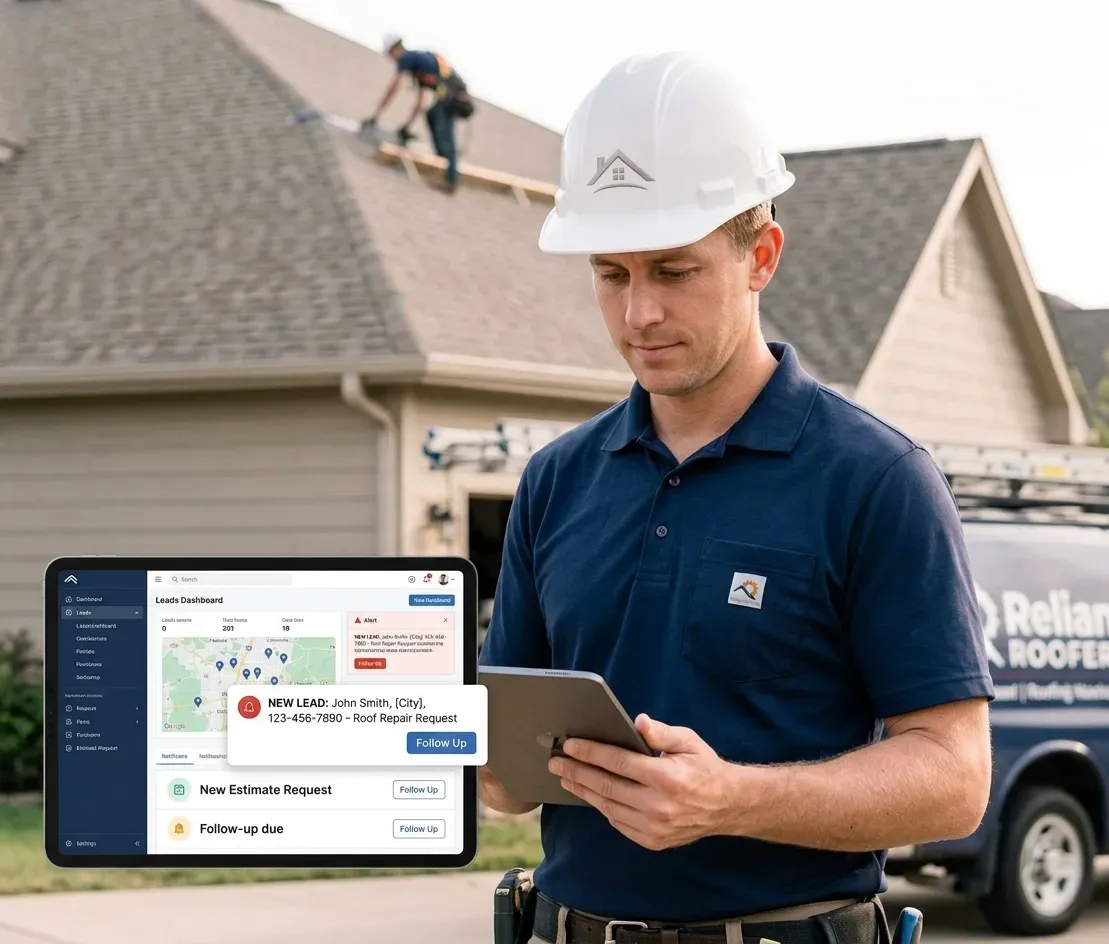
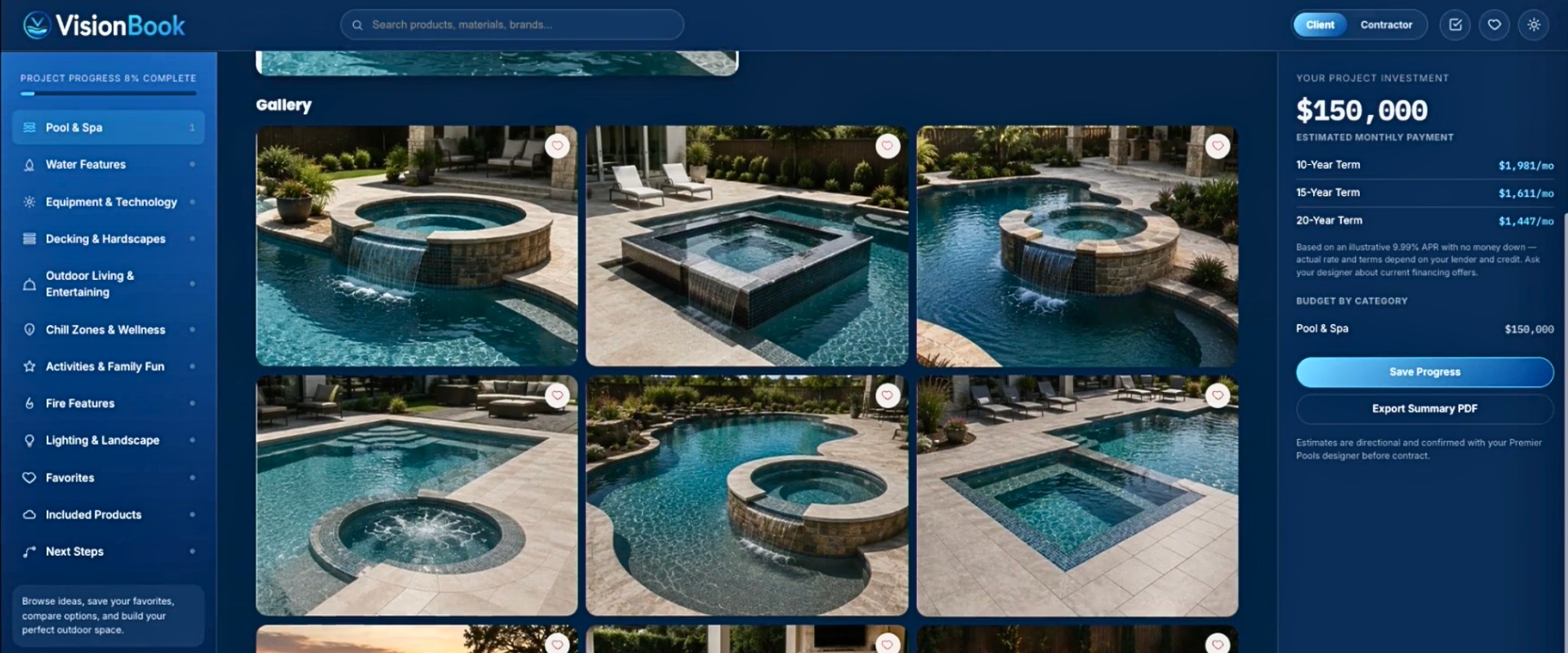
CyberFunnels builds these systems specifically for trades with a long sales cycle and a high ticket size, roofing and pool construction among them, where the cost of a shared lead adds up fast and an owned pipeline pays for itself the longest. See what that looks like for roofing contractors on the
roofing leads page, or for pool builders on the
pool leads page.
Frequently asked questions
What is the best lead service for contractors?
There isn't one best lead service for every contractor. Shared marketplaces like Angi, HomeAdvisor, and Thumbtack work well for fast volume and low-commitment testing. Specialty platforms like Modernize and BuildZoom fit specific trades and project sizes better than general marketplaces do. For contractors who want leads that aren't shared with competitors, an owned system built on SEO, Google Ads, and Local Service Ads, like the ones CyberFunnels builds, generally produces a lower cost per booked job over time than any shared-lead marketplace.
What are the best lead generation services for contractors just getting started?
Contractors testing paid lead generation for the first time often start with CraftJack, Thumbtack, or Porch, since none require a long-term contract and all let you test the economics on a small budget before committing more. Once you know your close rate and cost per booked job, it's easier to decide whether to scale a marketplace, move toward exclusive leads, or start building an owned pipeline.
Should contractors buy shared leads or exclusive leads?
It depends on ticket size and how long you plan to run the channel. Shared leads cost less per contact but close at a lower rate, since several contractors are calling the same homeowner. Exclusive leads cost more upfront but generally close at a meaningfully higher rate, which often makes them cheaper per booked job for high-ticket trades like roofing and pool construction.
How much do lead generation services for contractors typically cost?
Pricing varies widely by platform and trade. Shared-lead marketplaces commonly range from about $15 to over $100 per lead, sometimes with an added annual membership fee. Exclusive-lead systems, including owned channels like Google Ads and Local Service Ads, tend to cost more per lead but close at a higher rate, which is why cost per booked job matters more than the sticker price on any single lead.
How is CyberFunnels different from a lead generation directory?
Directories like Angi, HomeAdvisor, and Porch sell access to their own audience, and multiple contractors typically buy access to the same homeowner. CyberFunnels doesn't operate a directory at all. It builds SEO, paid ads, and follow-up systems that generate homeowner demand directly for your business, so the traffic, the website, and the leads it produces belong to you rather than to a platform you're renting space on.
Compare your options before you commit to a lead service
The right lead service for a contractor isn't always the one with the most volume or the lowest price per lead. It's the one that produces the lowest cost per booked job for your specific trade and ticket size.
CyberFunnels builds exclusive lead generation systems for contractors who've outgrown shared marketplaces and want a pipeline they own. If you want to see what that comparison looks like for your market, we'll walk through the numbers with you.
Recent Posts