
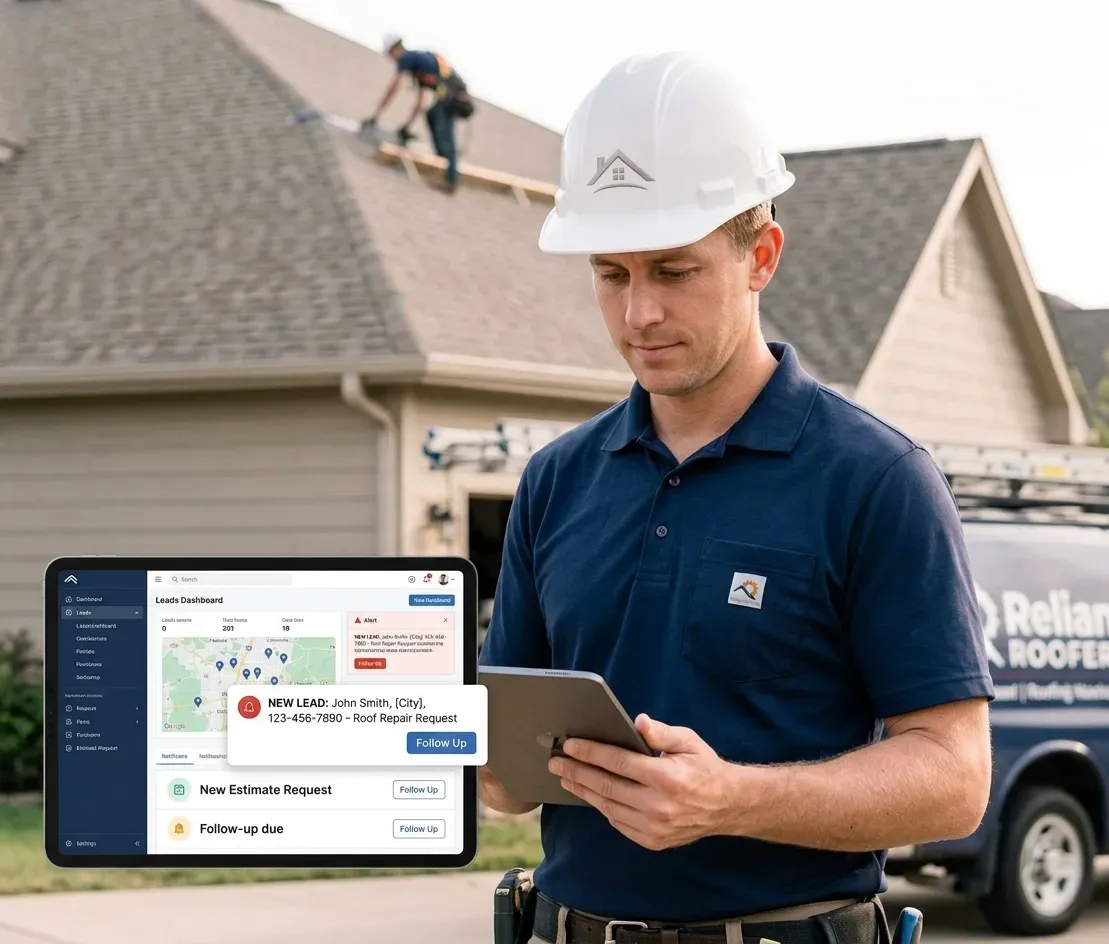
How to Generate Commercial Roofing Leads That Convert

November 3, 2026

Share this article

Commercial roofing leads are different from residential leads. You're not always dealing with one homeowner who needs a roof repaired after a storm. You're working with property managers, facility directors, building owners, and sometimes an entire team involved in the decision.


Projects are larger, sales cycles are longer, and getting a contract signed takes more than a quick estimate.


If you want to generate commercial roofing leads consistently, you need a strategy that reaches the right decision-makers, builds credibility, and qualifies opportunities before your sales team invests time in them.


Here's where to focus.

Why Do Commercial Roofing Leads Require a Different Approach?

Commercial roofing projects often involve multiple decision-makers. A property manager might identify the problem, a facility director may evaluate contractors, and an owner or financial decision-maker may need to approve the investment.


That changes how you market and sell your services.


Commercial buyers typically spend more time researching contractors, reviewing qualifications, and comparing proposals. They may find your company through Google, but referrals, industry relationships, and past project experience also influence their decisions.


Your marketing needs to reach these buyers early and give them a reason to consider your company when they're ready to move forward.

What Are the Best Free Ways to Generate Commercial Roofing Leads?

Organic marketing takes time to build, but it can create a consistent source of qualified opportunities without paying for every inquiry.

Build SEO Around Commercial Roofing Searches

If your website primarily targets residential roofing, you're missing opportunities to reach commercial buyers.


Your SEO strategy should include dedicated commercial roofing service pages and location-specific content targeting searches like "commercial roofing contractor in [city]," "commercial roof replacement cost," and "flat roof repair near me."


These pages should clearly explain the services you offer, the types of properties you work on, and the areas you serve.


The goal is to show up when property managers and building owners are actively looking for a commercial roofing contractor.

Optimize Your Google Business Profile

Commercial buyers check your online presence before contacting you. Your Google Business Profile is often part of that research.


Keep your contact information, service areas, and business hours accurate. Add photos of completed commercial projects and encourage satisfied clients to leave reviews.


A complete profile makes it easier for potential customers to find your company and evaluate whether you're a good fit

Use LinkedIn and Direct B2B Outreach

LinkedIn gives you access to property managers, facility directors, commercial real estate professionals, and other people involved in commercial property decisions.


Share completed projects, case studies, and information that demonstrates your experience with commercial roofing.


You can also use LinkedIn to support direct outreach through email and professional networking.


The goal isn't to send generic sales messages to everyone. It's to build relationships with people who manage properties that may eventually need your services.

Build Referral Relationships

General contractors, property management companies, insurance agents, and commercial real estate professionals can all be valuable referral sources.


These relationships take time, but they can lead to repeat opportunities and introductions to decision-makers you might not reach through advertising alone.


Stay in touch, make your services easy to understand, and give partners a reason to recommend your company when a roofing need comes up.

Show Your Work Through Case Studies

Commercial buyers want proof that you can handle their project.


A portfolio of completed commercial jobs helps demonstrate your experience, especially when it includes the property type, project scope, challenges, and finished results.


Before-and-after photos, client testimonials, and detailed case studies give potential customers something concrete to review before inviting you to bid.

Which Paid Channels Generate Commercial Roofing Leads?

Paid advertising can help you reach commercial buyers faster, but targeting matters. You don't want to spend your budget generating residential inquiries when your goal is larger commercial projects.

Google Ads for Commercial Roofing

Google Ads can put your company in front of people actively searching for commercial roofing services.


Focus campaigns on commercial-intent keywords such as "commercial roof repair near me," "flat roof contractor," and "commercial roofing estimate."


Keep geographic targeting aligned with your service area and send visitors to pages specifically about your commercial services.


Most importantly, measure qualified inquiries and sales opportunities, not just clicks.

Direct Mail and Targeted Outreach

Direct mail can still work in commercial roofing, particularly when you're reaching a defined list of property managers or building owners.


A professional postcard, brochure, or letter introducing your services can help start the conversation.


But one mailing usually isn't enough. Pair it with a follow-up strategy that includes calls, emails, and additional outreach.


Commercial buyers may not need a roof today. Staying visible gives your company a better chance of being considered when they do.

Buying Commercial Roofing Leads

Property intelligence platforms and commercial lead generation services can help identify buildings and owners that fit your target market.


Some providers use property records, building age, ownership information, and other available data to identify potential opportunities.


Before investing, ask how the leads are sourced, whether they're exclusive, and what information is available about the property and decision-maker.


Don't assume a list of commercial properties is the same as a list of qualified buyers. Your team still needs to determine whether there's an actual opportunity

What Makes a Commercial Roofing Lead Qualified?

Not every property manager or building owner who contacts you is ready to move forward with a project.


A qualified commercial roofing lead should have a legitimate roofing need, a defined project scope, a realistic timeline, and a clear path to a purchasing decision.


Before scheduling site visits or preparing detailed proposals, your team should understand:


  • Project scope: What work is being considered?
  • Decision-maker: Who evaluates proposals and approves the project?
  • Timeline: When does the work need to happen?
  • Budget: Has funding been discussed or allocated?
  • Next step: Is the prospect actively evaluating contractors?


Not every answer needs to be finalized during the first conversation. But the more you know upfront, the better you can determine where to invest your team's time.


A full pipeline doesn't help much if most opportunities never turn into real projects.

How Can Networking Generate More Commercial Roofing Leads?

Commercial roofing is a relationship-driven business. Digital marketing matters, but so does being known by the people responsible for maintaining commercial properties.


Organizations such as the National Roofing Contractors Association (NRCA) and Building Owners and Managers Association (BOMA) can provide opportunities to connect with industry professionals.


Local business groups, commercial real estate events, and Chamber of Commerce meetings can also help you meet potential referral partners.


The goal isn't to attend every event. It's to build relationships with people who manage, maintain, and make decisions about commercial properties in your market.


Those connections can lead to referrals, bid invitations, and repeat business over time.

How Do You Turn Commercial Roofing Leads Into Signed Contracts?

Generating the lead is only the beginning. Commercial projects often involve longer conversations, multiple approvals, and more follow-up than residential jobs.


Your sales process needs to account for that.

Track Every Opportunity

Use a CRM to track leads, contacts, project details, proposals, and next steps.


Your team should know where each opportunity stands, who's responsible for following up, and what needs to happen to move the project forward.


A deal shouldn't disappear simply because the decision-maker needs another month to review the proposal.

Make Your Proposals Easy to Evaluate

Commercial buyers may be comparing several contractors. Your proposal needs to clearly explain the recommended scope, materials, project considerations, and next steps.


Professional documentation and relevant project experience help decision-makers understand what they're getting.


For properties that aren't ready for a full replacement, inspection and maintenance options may also create opportunities to establish a relationship.

Follow Up Consistently

Commercial prospects don't always make decisions quickly.


That doesn't mean they're not interested.


A structured follow-up process keeps your company in the conversation without relying on your salesperson to remember every call and email.


Use your CRM to track communication, schedule follow-ups, and keep the opportunity moving through the sales process.

Frequently Asked Questions

  • How do I get more commercial roofing leads?

    Focus on commercial-specific SEO, Google Ads, referral relationships, LinkedIn outreach, and industry networking. These channels help you reach property managers, building owners, and other commercial decision-makers. Strong qualification and follow-up help turn those inquiries into opportunities.

  • How do I get commercial roofing leads as a newer company?

    Start with targeted Google Ads, direct outreach, and relationships with general contractors and property managers. Build your commercial portfolio, collect testimonials, and improve your website's commercial roofing content as you complete more projects.

  • How do I get more commercial roofing leads without wasting my sales team's time?

    Qualify opportunities before investing significant time in site visits and proposals. Confirm the project scope, decision-making process, timeline, and budget expectations early. A consistent qualification process helps your team focus on projects with a realistic chance of moving forward.

Build a Commercial Roofing Pipeline That Produces Real Opportunities

More commercial roofing leads won't automatically mean more signed contracts.


You need to reach the right decision-makers, qualify opportunities early, and have a sales process that keeps projects moving.


CyberFunnels helps commercial roofing contractors connect SEO, paid advertising, lead generation, CRM automation, and follow-up into a system built to generate qualified opportunities and turn more of them into customers.


Ready to build a stronger commercial roofing pipeline? Book a consultation with CyberFunnels.

Recent Posts

November 3, 2026
Learn proven ways to generate roofing leads—SEO, Google Ads, LSAs, referrals, and CRM follow-up that actually convert.
November 3, 2026
Paying for roofing leads is one thing. Paying for the same leads as five other contractors is another. That's the problem with shared lead platforms. You're paying for a homeowner's contact information, then competing with several other roofing companies trying to win the same job. Exclusive roofing leads work differently. The lead goes to one contractor, giving your team the opportunity to start the conversation without competing against other companies that purchased the same inquiry. But not every provider defines "exclusive" the same way, and paying more doesn't automatically mean you're getting better leads. Here's what to know before buying exclusive leads and how to generate more of them through your own marketing.
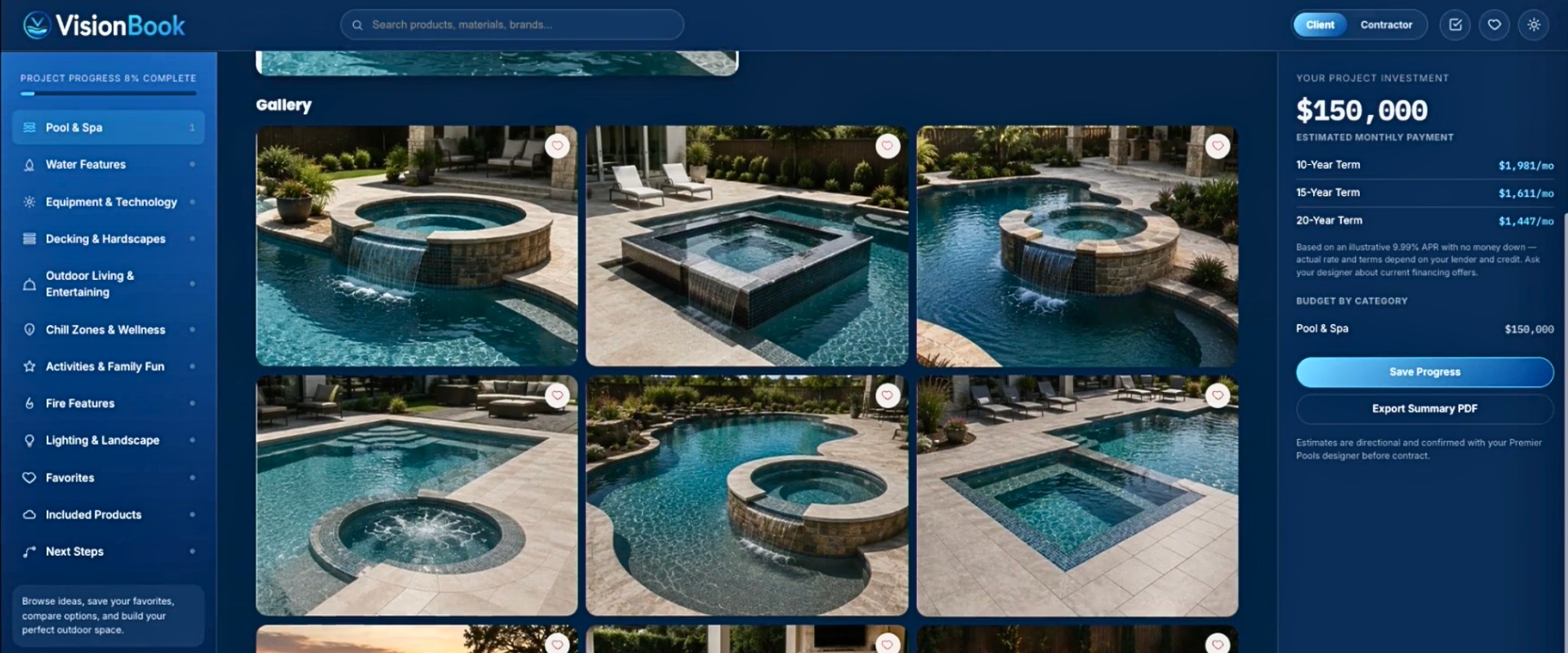
Blue real-estate listing page showing a pool and patio photo gallery with price and property details
November 1, 2026
The pool buying experience is changing. Learn how VisionBook helps pool builders qualify homeowners, establish budgets, and improve their sales process.
Backyard under construction with excavator, dirt grading, and a new house in the background
October 14, 2026
Learn why off-season pool marketing and contractor off-season planning should focus on fixing your sales, paid ads, follow-up, and conversion systems before demand increases.
Small white house exterior with a grassy backyard and a covered porch with stairs
October 1, 2026
Learn how to qualify pool leads earlier, improve your pool sales process, and stop wasting designer time on homeowners who are not ready to buy.

Construction worker in yellow hard hat and reflective vest applying plaster to a wall on site
August 22, 2026
Learn how pool builders can improve close rates by strengthening their sales process without relying on lower prices.

Two men shaking hands beside vintage cars in an outdoor lot, one holding a clipboard
August 15, 2026
Explore how the pool buying experience is changing and why a clearer sales process matters more than ever.

Hands typing on a laptop at a wooden café table, with a smartphone beside it.
August 8, 2026
Learn how pool builders can qualify prospects before consultations and focus sales efforts on better-fit opportunities.
Hands pointing and writing on a printed chart with a pen at a desk
August 1, 2026
Learn how traditional pool sales processes can create missed opportunities and how builders can improve the buying experience.
Hands typing on a laptop at a wooden table in a bright office setting
June 23, 2026
Learn how a modern buying experience differs from a traditional pool sales process.
Show More